
Portugal: Europe's Sun-Soaked Atlantic Edge
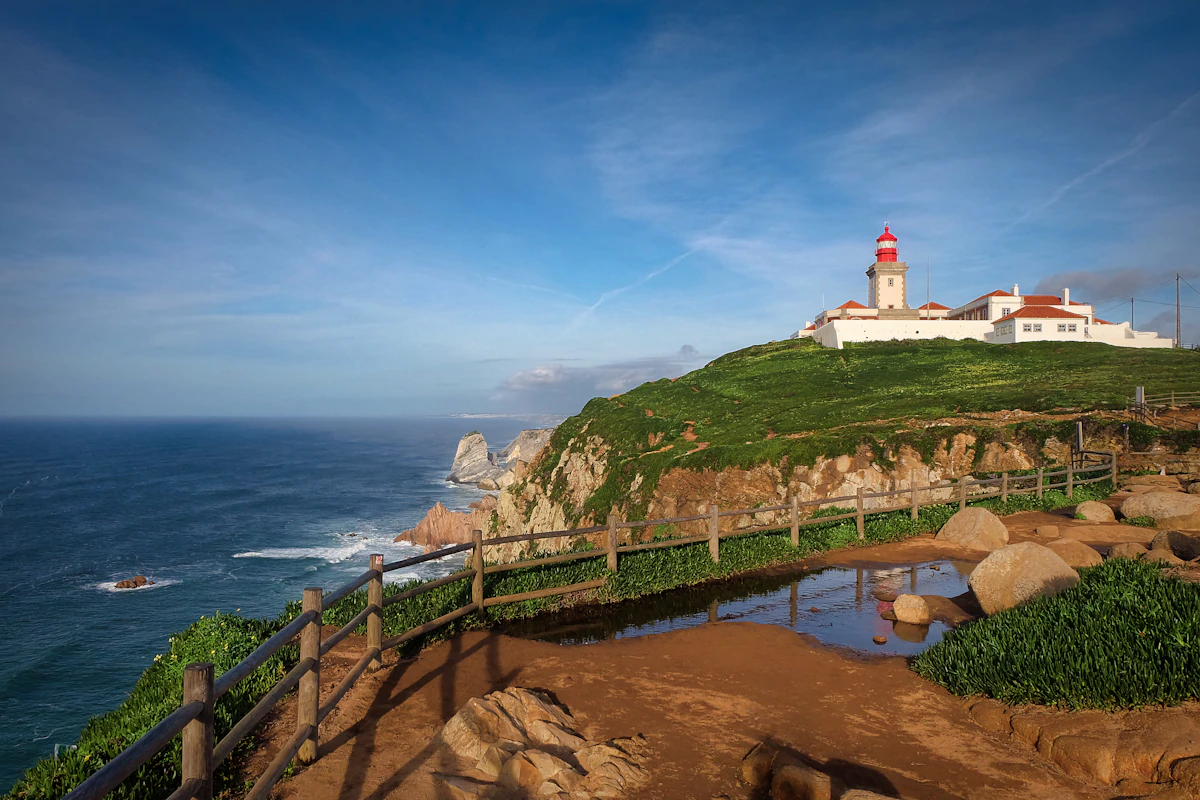
Portugal: Europe’s Sun-Soaked Atlantic Edge
Few countries in Europe can match Portugal’s combination of history, landscape, and laid-back warmth. Perched on the southwestern edge of the continent, it has been a gateway between worlds for centuries — and today it draws everyone from digital nomads and retirees to surfers and food lovers.
Quick Facts
| Capital | Lisbon |
| Population | ~10.2 million |
| Area | 92,212 km² |
| Currency | Euro (€) |
| Official Language | Portuguese |
| EU Member | Yes (since 1986) |
Geography
Portugal occupies the western third of the Iberian Peninsula. The landscape is remarkably varied: the Douro Valley in the north is a UNESCO-listed wine landscape; the Alentejo at the centre is vast, golden plainland; the Algarve in the south offers dramatic limestone cliffs and long sandy beaches. The Azores — a nine-island Atlantic archipelago of volcanic peaks and crater lakes — round out a geography that punches well above its size.
Culture
Portuguese culture is shaped by a deep relationship with the sea. The Age of Exploration launched from these shores in the 15th century, and that outward-looking spirit has never faded. Fado — the melancholic national music — captures the essence of the culture, built around the concept of saudade: an untranslatable longing for something loved and distant.
The food is exceptional and unfussy: salt cod (bacalhau), grilled sardines, and the iconic custard tarts (pastéis de nata) from Belém. Wine is outstanding — from the light, sparkling vinho verde to the bold reds of the Alentejo. Lisbon and Porto are world-class cities: layered, animated, and still affordable by northern European standards.
3 Things That Will Surprise You
1. Portugal produces more than half the world’s cork. The cork oak forests of the Alentejo are among Europe’s most biodiverse habitats. The harvesting process — stripping bark by hand every nine years — has barely changed in centuries.
2. It’s one of the oldest nation-states in Europe. Portugal’s borders have remained almost unchanged since 1297. When most of Europe was still a patchwork of feudal territories, Portugal already had a national identity.
3. The Azores sit on the Mid-Atlantic Ridge. The islands rest where three tectonic plates meet, giving them their otherworldly character: fumaroles, thermal springs, and crater lakes that steam in the morning mist.
Discover More
- Rota Vicentina — one of Europe’s finest coastal walking routes along the wild southwest coast
- Douro Valley — best explored by boat or vintage train; wine tourism at its most scenic
- Évora — a UNESCO-listed walled city in the overlooked Alentejo interior
- Flores, Azores — one of Europe’s least-visited and most spectacular islands
Whether you’re drawn by the history, the coastline, or the quality of the light on a late Lisbon afternoon, Portugal has a way of making visitors feel they’ve arrived somewhere that has been waiting for them.
Next in the series: Norway — fjords, fishing villages, and the midnight sun.